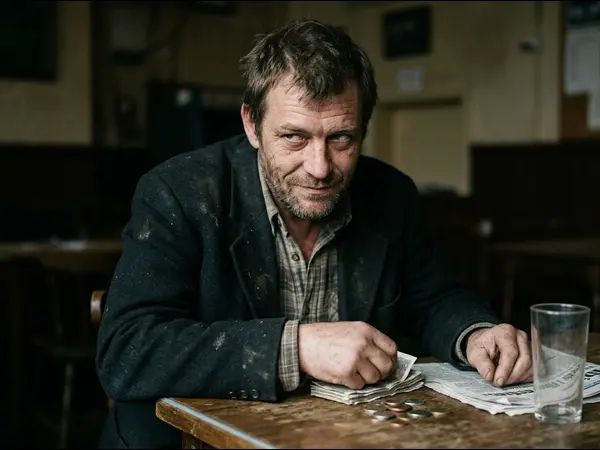
cruelty
nounWhat Makes This Word Tick
Cruelty refers to behavior that intentionally causes pain or suffering. It belongs to situations where harm is inflicted without care for another’s well-being. The word carries a heavy moral tone because it describes actions rooted in harshness rather than empathy.
If Cruelty Were a Person…
Cruelty would be the cold presence who notices pain but chooses not to soften it. They move through situations with sharp indifference, sometimes even satisfaction in another’s discomfort. Their defining trait is a lack of mercy.
How This Word Has Changed Over Time
The idea of deliberate harshness has remained central to cruelty throughout its history. While contexts differ—from personal acts to larger injustices—the word consistently marks behavior that disregards suffering.
Old Sayings and Proverbs
A proverb-style idea that fits cruelty is that the deepest wounds often come from hearts that refuse compassion. That matches the word because cruelty stands in direct opposition to mercy and kindness.
Surprising Facts
Cruelty is powerful because it names both actions and attitudes. A single word can describe physical harm, emotional torment, or systematic harshness. That breadth makes it one of the most morally charged nouns in everyday language.
Out and About With This Word
You will encounter cruelty in discussions about ethics, justice, and the treatment of people or animals. It appears whenever harmful behavior is judged as more than careless—it is deliberate. The word often signals strong moral concern.
Pop Culture Moments Where Cruelty Was Used
In pop culture, the idea behind cruelty appears in villains, oppressive systems, and dramatic moments where suffering is inflicted intentionally. It works because audiences react strongly to unjust harm. That makes the concept central to many conflict-driven stories.
The Word in Literature
In literature, cruelty often marks the emotional core of conflict between characters. Writers use it to explore the boundaries between power, pain, and empathy. The word helps frame moral struggle within a narrative.
Moments in History with Cruelty
The concept of cruelty belongs to historical moments where suffering and injustice shaped public memory and debate. It fits times when societies confronted harsh treatment or struggled to define humane standards.
This Word Around the World
Across languages, similar ideas appear in words meaning brutality, harshness, or mercilessness. Though phrasing varies, the recognition of deliberate harm is widely understood.
Where Does It Come From?
Cruelty comes from Latin crudelitas through Old French forms meaning harshness or brutality. Its linguistic history mirrors its modern sense of deliberate, severe harm.
How People Misuse This Word
People sometimes label any strict or unpleasant action as cruelty, but the word works best when real suffering is inflicted intentionally or with clear disregard. Harshness alone does not always reach that level.
Words It’s Often Confused With
Harshness may describe strict behavior without deliberate harm. Brutality often emphasizes physical violence. Malice focuses more on hateful intention, while cruelty highlights the suffering caused.
Additional Synonyms and Antonyms
Additional Synonyms: savagery, pitilessness, heartlessness Additional Antonyms: tenderness, humanity, goodwill
Want to Try It Out in a Sentence?
"The story revealed the quiet cruelty hidden behind his polite words."
explore more words