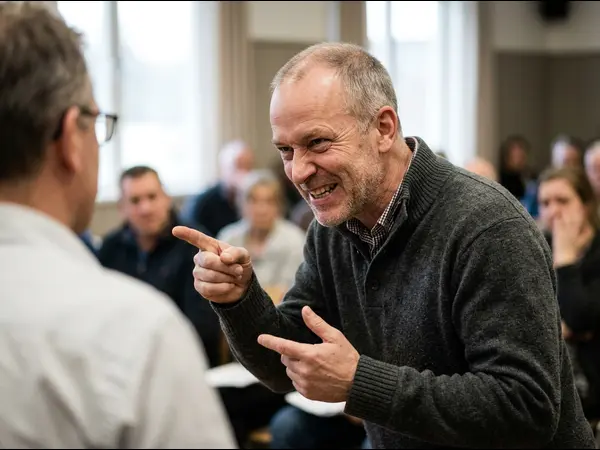
vocal
nounWhat Makes This Word Tick
Vocal relates to the voice or speaking, and it can also describe being open and outspoken with opinions. It points to sound and expression rather than staying hidden or unspoken. Compared with “talkative,” vocal focuses more on expressing views clearly than on simply talking a lot.
If Vocal Were a Person…
Vocal would be the person who doesn’t let important thoughts sit quietly in their head. They speak up, make their stance known, and use their voice with intention. Being around them feels like clarity replacing silence.
How This Word Has Changed Over Time
Vocal has remained linked to voice and spoken expression, and modern usage still leans on it for both sound-related meanings and outspoken behavior. The “speaking up” sense is especially common in discussions where opinions are stated publicly.
Old Sayings and Proverbs
A proverb-style idea that fits vocal is that silence can look like agreement, so speaking up matters. That reflects the definition because being vocal is about using your voice openly rather than staying quiet.
Surprising Facts
Vocal often signals more than sound—it signals visibility, because outspoken opinions become part of the public conversation. It’s also a useful contrast word: vocal opposition versus quiet concern. The word can describe both the voice itself and the act of using it openly.
Out and About With This Word
You’ll often see vocal in discussions about public opinion, advocacy, meetings, and debates where someone is openly expressing ideas. It also appears in music and speech contexts when the focus is literally on the voice. The word fits best when voice and openness are the main point.
Pop Culture Moments Where Vocal Was Used
In pop culture, the vocal archetype is the character who refuses to stay quiet when something feels wrong, pushing the plot forward by speaking up. That reflects the meaning because being vocal involves open expression and using the voice as a tool.
The Word in Literature
In literature, vocal is often used to show a character’s willingness to state opinions plainly, which can create conflict or leadership in a scene. It can also sharpen contrasts between spoken and unspoken tension. For readers, it signals that expression is happening out loud, not only internally.
Moments in History with Vocal
The concept fits any time people choose public speech over quiet compliance—debates, reforms, organizing, and moments when open expression changes outcomes. That aligns with the definition because vocal behavior is visible, voiced, and openly stated.
This Word Around the World
Across languages, this idea is often expressed with words meaning voiced, outspoken, or related to speech, sometimes distinguishing sound from opinion. The shared concept is clear: using the voice, especially in an open way.
Where Does It Come From?
The provided etymology ties vocal to Latin roots associated with voice, which fits the modern meaning even when the word is used for outspoken opinions. The origin supports why the word feels grounded in speaking and sound.
How People Misuse This Word
People sometimes use vocal to mean “angry,” but the definition is about using the voice and expressing opinions openly, not about a specific emotion. Someone can be vocal in support, in concern, or in disagreement.
Words It’s Often Confused With
Vocal is often confused with talkative, but talkative is about quantity of speech, while vocal is about being openly expressive, especially with opinions. It’s also confused with verbal, which relates broadly to words, while vocal emphasizes the voice and spoken expression.
Additional Synonyms and Antonyms
Additional Synonyms: outspoken, voice-related, expressive Additional Antonyms: voicelessness, hush, wordlessness
Want to Try It Out in a Sentence?
"His vocal opposition to the policy earned him both supporters and critics."
explore more words